- Decimal Odds
- Hong Kong Odds
- Indonesian Odds
- American Odds
- Malay Odds
 English
- English
 Vietnam
 Thailand

The Athletic’s In-Depth Analysis: The Killing of CJNG Leader Nemesio Oseguera Cervantes and Its Impact on the 2026 World Cup


-
1
 Silas C7Follow81.3%Win Rate +46.8%ROI 17Tips 1.93Avg Odds
 -
2
 Win Amazing PrizeWon 4/5Follow75%Win Rate +21%ROI 16Tips 1.69Avg Odds
 -
3
 Asou SanFollow74.2%Win Rate +37.3%ROI 31Tips 1.91Avg Odds
 -
4
 Thiago Rodrigues PereiraFollow74.1%Win Rate +35.1%ROI 27Tips 1.92Avg Odds
 -
5
 fernando rodriguezWon 5/6Follow73.3%Win Rate +30.2%ROI 15Tips 1.81Avg Odds
 -
6
 SPORT249Won 6/7Follow72.7%Win Rate +35.4%ROI 13Tips 1.81Avg Odds
The Athletic’s In-Depth Analysis: The Killing of CJNG Leader Nemesio Oseguera Cervantes and Its Impact on the 2026 World Cup
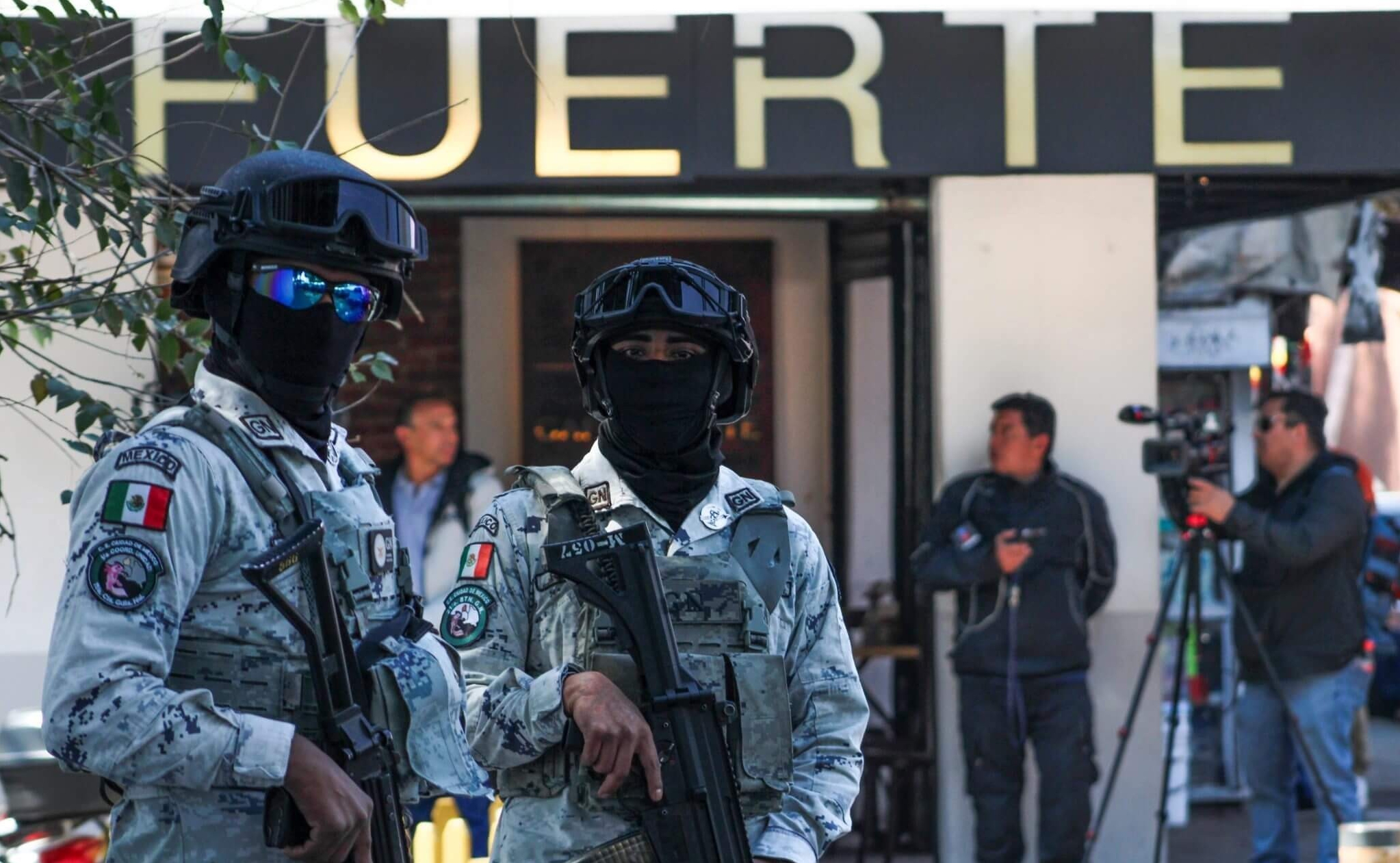
On Sunday, Mexico’s most wanted drug lord, Nemesio Oseguera Cervantes, was killed. In the aftermath, a wave of retaliatory violence erupted across Guadalajara and surrounding areas, raising serious concerns about security ahead of the 2026 World Cup.
Jalisco state — the epicenter of the unrest — is scheduled to host four World Cup matches in 2026. A World Cup qualifying playoff is set to take place in late March at Estadio Akron in Jalisco, the same stadium that will stage four group-stage matches in June.
The violence that unfolded from Sunday into Monday morning has sparked heightened fears about World Cup security. A senior FIFA official, speaking anonymously, admitted that images of chaos broadcast across global news networks have left FIFA deeply unsettled. The official stated that if FIFA cannot quickly confirm that all participants and personnel will be adequately protected, the venue for the upcoming playoff may need to be reconsidered.
By Monday evening, however, Mexican authorities had begun restoring order. Late that night, FIFA issued a public statement expressing support for Mexico. A spokesperson firmly rejected claims that there are serious security risks in the region, describing such reports as inaccurate and misleading, and reiterated FIFA’s “full confidence” in the three host nations — Mexico, Canada and the United States.
That said, the spokesperson declined to confirm whether the playoff would proceed in Guadalajara, emphasizing that FIFA would not comment on “hypothetical or speculative scenarios.”
“FIFA’s Mexico office is closely monitoring developments in Jalisco and remains in constant communication with local authorities,” the spokesperson added. “We will continue to follow the guidance and actions of all levels of government to ensure public safety and restore normal conditions. We reaffirm our close collaboration with federal, state and local authorities.”
What Happened in Guadalajara?
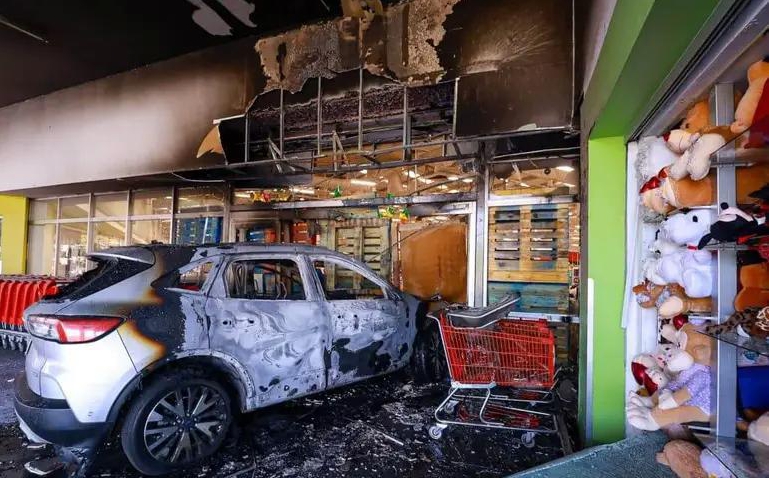
Following the killing of Oseguera Cervantes, leader of the Jalisco New Generation Cartel (CJNG), Jalisco state — including the Guadalajara metropolitan area — was placed under red alert, the highest level of crisis response.
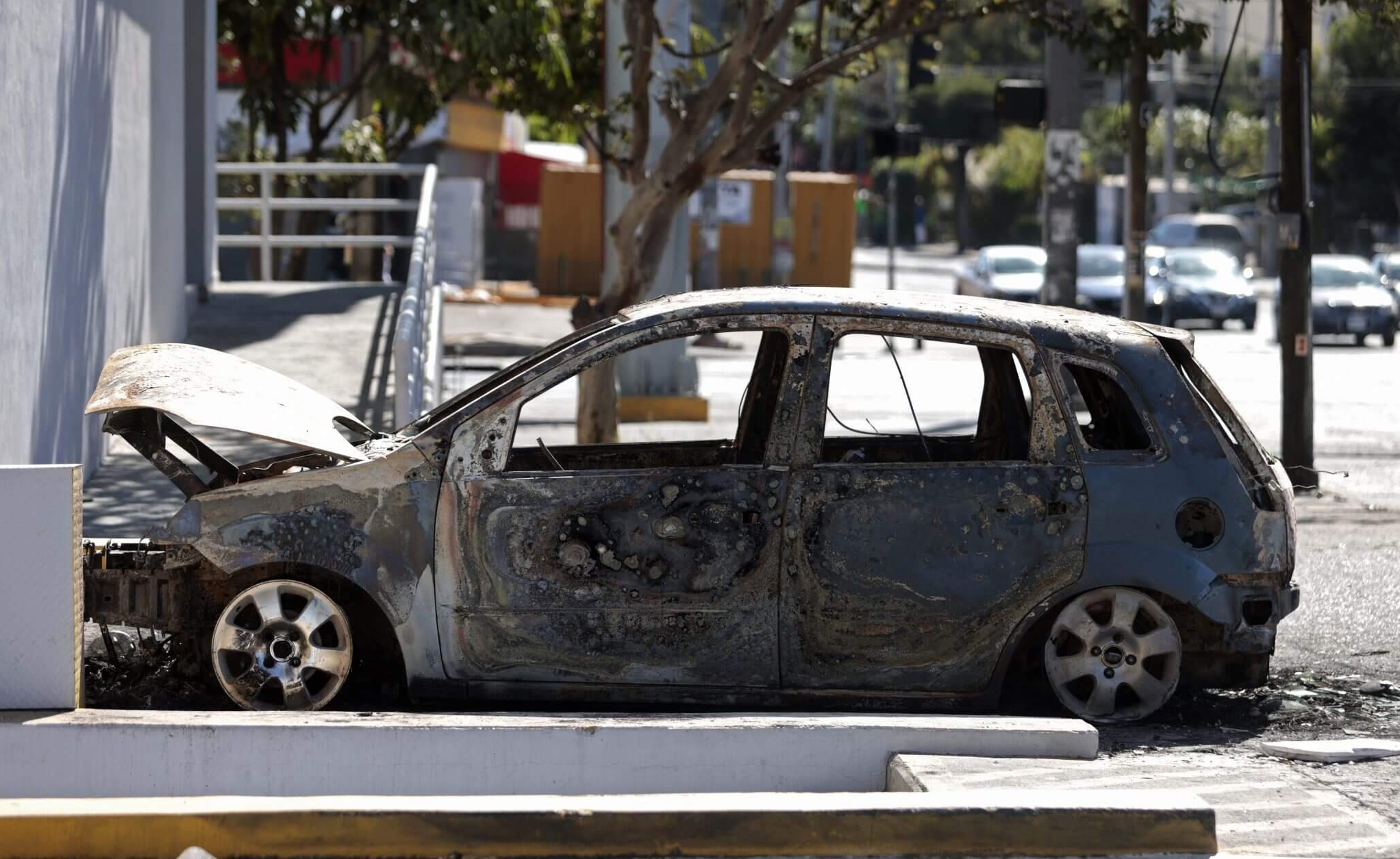
Suspected CJNG members engaged in armed clashes with Mexican military forces. At the same time, cartel operatives set vehicles ablaze, erected roadblocks across multiple locations, and torched businesses. A prison riot also broke out in Puerto Vallarta, further escalating tensions.
In response, Jalisco Governor Pablo Lemus ordered the suspension of public transportation, in-person schooling and major public events from Sunday through Monday. Although these emergency measures were initially set to last until Tuesday, local media reported Monday evening that some businesses would reopen Wednesday and schools would resume classes.
The unrest has disrupted sporting events. Liga MX Femenil postponed Sunday night’s derby between Guadalajara’s Chivas and Club América at Estadio Akron, and several other matches were canceled. However, Mexico’s men’s national team friendly against Iceland in Querétaro on Wednesday remains scheduled to proceed.
“We are fully committed to restoring peace in Jalisco and gradually resuming normal activities, including reopening surrounding highways,” Lemus said Monday.
Why Does This Threaten the World Cup?
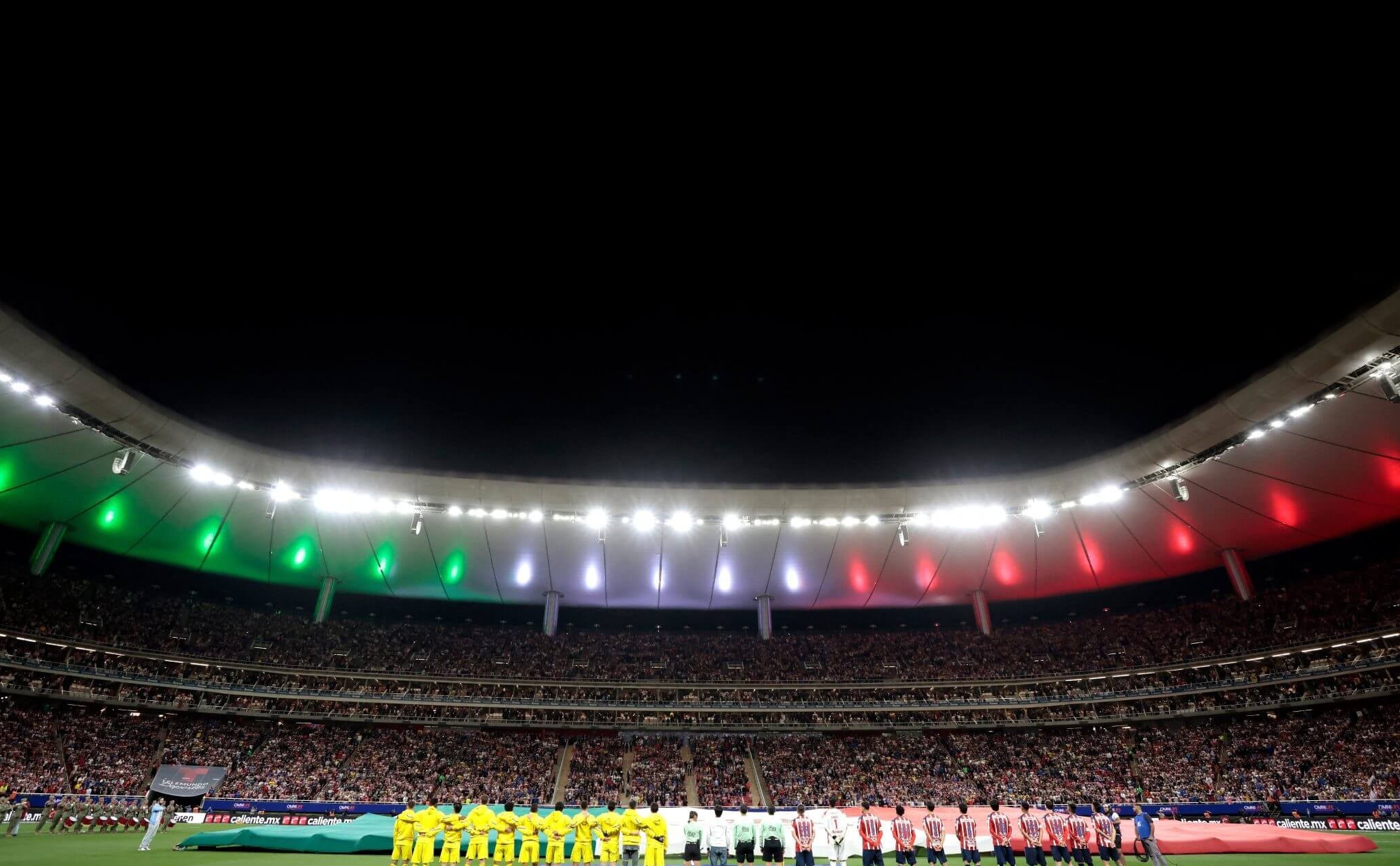
Estadio Akron, located in Zapopan near Guadalajara, is scheduled to host four World Cup matches between June 11 and 26. Mexico City and Monterrey will host nine additional matches, including the tournament’s opening game.
The immediate concern is whether violence could spread further, potentially endangering teams, officials, fans traveling to Guadalajara, and local residents.
Experts interviewed by The Athletic say it is impossible to predict whether instability will subside before June or flare up again, as cartel dynamics are evolving rapidly in real time.
“Leading up to the World Cup, there could be fragmentation and restructuring within organized crime groups across large parts of Mexico,” said Nathan Jones, a scholar specializing in Mexican cartels and government response. “That uncertainty makes it extremely difficult to forecast what comes next.”
How Has FIFA Responded?
FIFA’s Monday evening statement marked its first public comment on the unrest. Senior officials spent the day evaluating the situation and its potential implications for the World Cup.
Although FIFA maintains executives in Mexico City, its footprint there is smaller than in the United States, where it has offices in South Florida and New York. One senior official acknowledged that FIFA’s intelligence-gathering capacity and political influence in Mexico are not as strong as in other countries — a claim later denied by a spokesperson, who insisted that FIFA maintains strong partnerships with all three host governments.
“Communication and cooperation between Mexico and the 2026 FIFA World Cup joint task force has been ongoing for over three years,” the spokesperson said. “Mexico considers World Cup preparation a matter of national security and national pride and has committed appropriate resources. FIFA has full confidence in Mexico’s intelligence and operational capabilities.”
FIFA has requested on-the-ground reports from its Mexico team and may further coordinate with the Mexican Football Federation and government officials.
Could FIFA Move the Matches?
According to a well-informed source, FIFA would only consider relocating matches as a last resort — and only if security officials and commercial partners express serious concerns.
So far, tens of thousands of tickets have been sold for Guadalajara’s four matches. Fans have paid hundreds of dollars per ticket, and hotel prices have surged dramatically — in some cases rising more than 400% compared to earlier listings.
Relocating matches would trigger massive logistical challenges, including ticket refunds and rapid reorganization of transportation, security operations and training facilities — all of which require long-term planning and significant financial commitments.
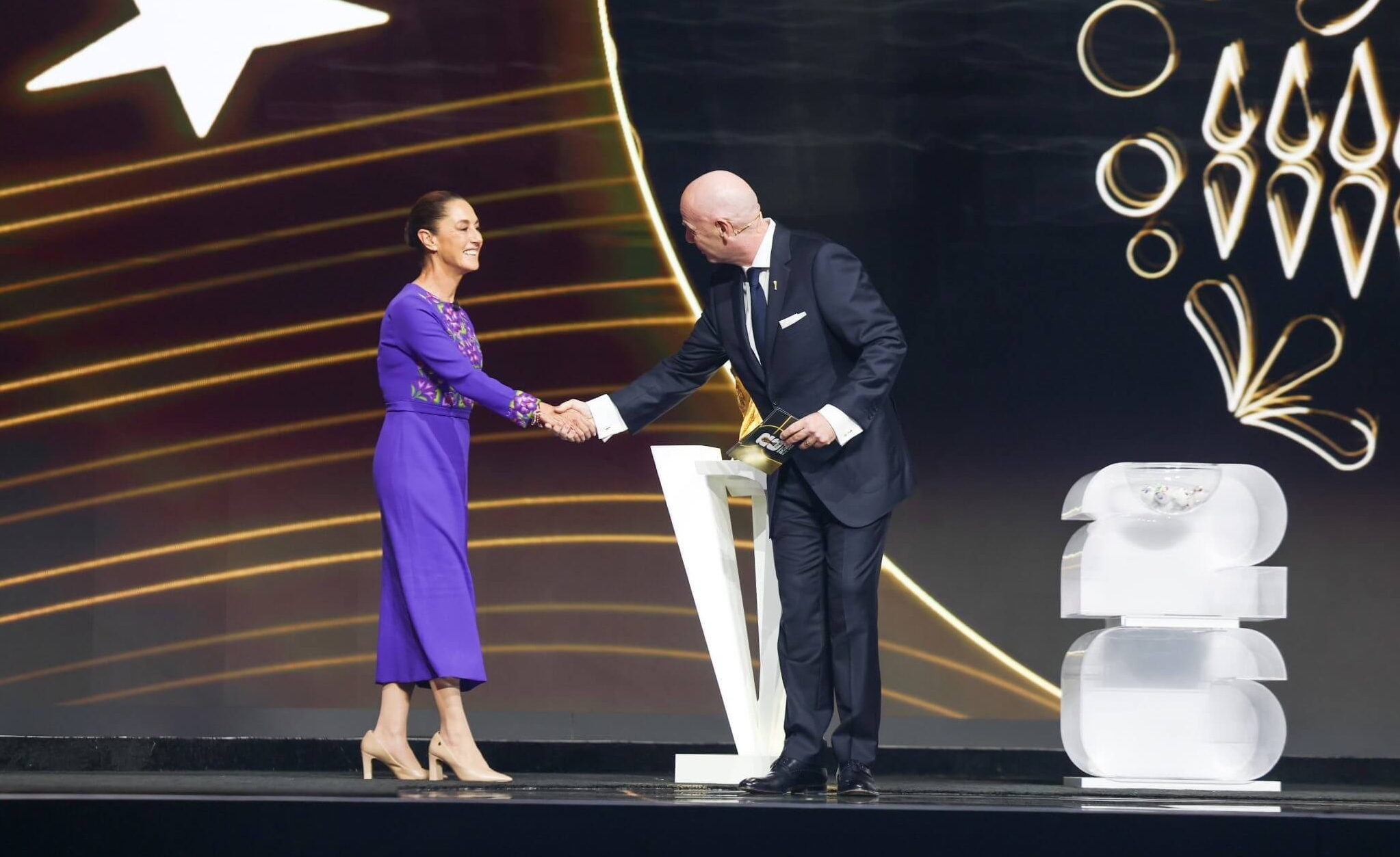
Jones suggests a more likely scenario would involve Mexico implementing a “saturation security strategy,” deploying military and National Guard forces to demonstrate full control of the region.
Indeed, authorities have already deployed an additional 2,000 troops to Guadalajara.
Will the Violence Continue?
Jones described the current violence as a “reflexive response” by the cartel following its leader’s death — a message intended to deter the government from future actions.
He predicts the violence could last three to four days before subsiding, as the cartel exhausts its immediate retaliatory capacity. Early signs suggest the intensity has already begun to decline.
However, the long-term outlook depends on whether CJNG can quickly appoint a successor. Failure to do so could result in fragmentation, leading to internal power struggles and prolonged instability—a pattern seen repeatedly across Mexico.
Guadalupe Correa-Cabrera, noted that CJNG operates somewhat like a franchise network, which may allow violence to stabilize more quickly than in previous cases—though she admitted, “We really don’t know.”
Would Cartels Target the World Cup?
Experts believe that scenario is unlikely.
Modern cartels function as diversified business enterprises with interests spanning legal and illegal sectors. Much like restaurants and hotels see the World Cup as an economic opportunity, cartels may view it similarly.
“They are fundamentally businessmen—corporations and entrepreneurs,” Correa-Cabrera said. She believes cartels will likely reduce visible violence during the tournament to avoid attracting excessive law enforcement attention or deterring tourism.
Jones agreed, noting that large-scale events often create alternative revenue streams for organized crime, while heightened security presence may encourage cartels to maintain a low profile.
What Does This Mean for Security Planning?
Governor Lemus previously outlined plans to reinforce security during the tournament, including federal deployment of National Guard and army personnel, along with the construction of Mexico’s largest intelligence center, aimed at creating the country’s most extensive video surveillance network.
The recent unrest is likely to accelerate implementation of these measures. Lemus is expected to seek additional federal resources from President Claudia Sheinbaum to further strengthen security preparations.
Guadalajara is also planning a 39-day FIFA Fan Festival in the city’s historic center, expected to draw up to 200,000 attendees.
Under intense global scrutiny, Lemus emphasized unity: “This is a time to stand together. We are fully committed to restoring peace and order in Jalisco.”
 Telegram
 Facebook
 X
X